
L-Theanine: A Natural Amino Acid for Stress, Mood Balance, and Cognitive Support
11/20/20253 min read
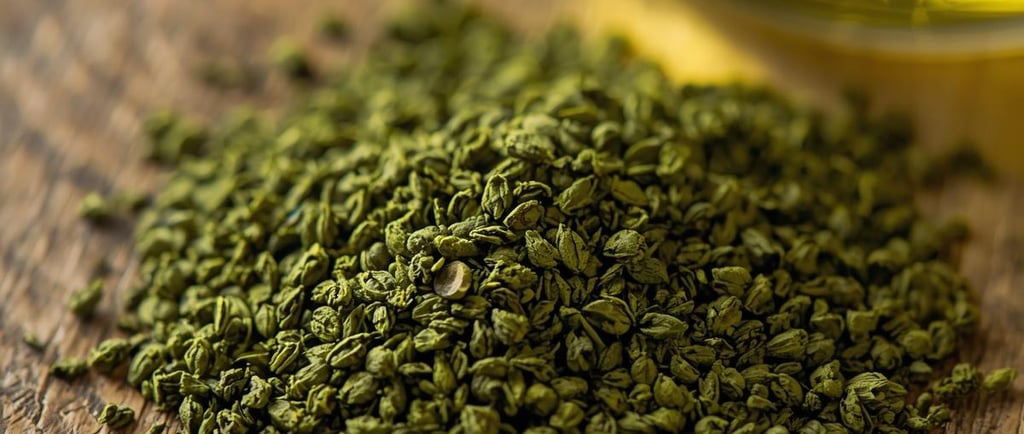
In the search for natural compounds that support emotional ease, mental clarity, and response to daily stress, L-Theanine has emerged as one of the most extensively studied nutrients. Unlike stimulants or sedatives, L-Theanine offers a unique combination of relaxation without drowsiness and enhanced focus without jitteriness, making it attractive for people dealing with stress, cognitive pressure, or mood fluctuations.
L-Theanine is a non-protein amino acid primarily found in tea leaves (Camellia sinensis) - especially green tea - and is widely used in supplement form to provide consistent daily dosing. Multiple randomized, double-blind, placebo-controlled trials and systematic reviews have evaluated its effects on stress-related symptoms, cognitive function, and emotional responses, providing evidence of its potential benefits.
What L-Theanine Is and How It Works
L-Theanine (γ-glutamylethylamide) influences brain chemistry in several ways that may support a calm yet alert mind. Research shows that it increases alpha brain wave activity, associated with a relaxed yet awake state, and may modulate neurotransmitters such as GABA, serotonin, and dopamine, which play roles in mood and stress responses.
Unlike sedative agents, L-Theanine does not cause significant drowsiness at typical supplementation doses, making it suitable for daytime use to support relaxation under stress without impairing cognitive performance.
Clinical Evidence: Stress, Mood, and Cognitive Support
1. Double-Blind, Placebo-Controlled Stress Reduction (MEG Study)
A randomized, double-blind, placebo-controlled crossover trial found that a single dose of L-Theanine (typically around 200 mg in a nutrient drink) significantly reduced subjective stress responses to a cognitive stress challenge compared to placebo. The intervention also lowered salivary cortisol levels - a key stress hormone - several hours after dosing and increased resting state alpha wave activity, which is associated with relaxed attention.
2. Four-Week Supplementation in Healthy Adults
Another randomized, double-blind, placebo-controlled trial evaluated daily L-Theanine (200 mg) over four weeks in healthy adults. Those taking L-Theanine experienced significant reductions in stress-related symptoms, including lower anxiety and improved sleep quality scores, compared to placebo. Cognitive measures such as verbal fluency and executive function also showed improvement in the L-Theanine group.
3. Systematic Evidence Across Multiple Trials
A systematic review of human randomized controlled trials found that L-Theanine supplementation (typically 200–400 mg daily) is associated with reduced stress and anxiety-like symptoms in people exposed to stressful conditions, although larger and longer-term studies are still needed to confirm clinical efficacy.
4. Interaction With Caffeine and Cognitive Performance
Research exploring L-Theanine in combination with caffeine - as found naturally in tea - shows that this pairing may influence cerebral blood flow and aspects of cognition and mood. While the combination did not show strong behavioral advantages in every measure, the interaction suggests L-Theanine may help modulate the stimulating effects of caffeine, reducing vasoconstriction and potential jitteriness.
Practical Impacts on Everyday Well-Being
Across multiple clinical studies, L-Theanine’s most consistent effects include:
Reduced subjective stress response to cognitive and multitasking stressors
Enhanced relaxation without sedation
Improved markers of sleep quality and stress over time
Support for relaxed focus and cognitive clarity, especially in demanding tasks
These outcomes are typically observed at supplemental doses between 200 mg and 400 mg per day, which are higher than what is found in a typical cup of tea.
Safety and Tolerability
L-Theanine is generally well tolerated in clinical trials, with no major adverse events reported compared to placebo. This favorable safety profile contributes to its popularity as a daily supplement for stress and mental well-being. However, as with any natural compound, individuals with specific health concerns or medication regimens should consult a healthcare provider before beginning supplementation.
Conclusion
Scientific evidence supports the use of L-Theanine as a natural compound that may help:
Support calmness and stress resilience
Enhance relaxed attention and cognitive performance
Improve sleep quality when part of a wellness routine
While more research continues to refine our understanding of optimal dosing and population response, current double-blind, placebo-controlled studies indicate that L-Theanine can play a meaningful role in supporting mood and stress management in everyday life.
Sources:
Contact
Reach out anytime; we’re happy to help
Sales And Support:
Support@elevium-co.com
© 2026. All rights reserved.
Elivium Co, LLC - 16, 101. Reykjavík, Iceland