
Rhodiola Rosea: Clinical Insights into Stress Resilience, Mood, and Mental Performance
11/20/20253 min read
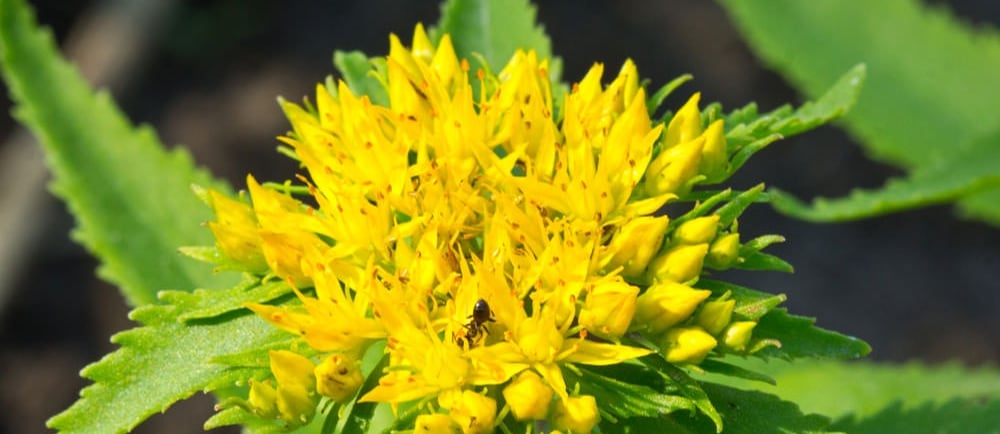
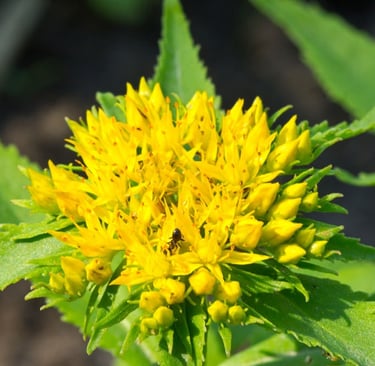
Rhodiola Rosea ُExtract: Clinical Evidence for Stress, Mood, and Mental Performance
In a world where persistent stress and mental fatigue have become part of everyday life, many people seek natural solutions that support emotional balance and cognitive resilience without harsh stimulation or sedative effects. One of the most studied botanical candidates in this space is Rhodiola rosea, traditionally known as a powerful adaptogen. Modern research has explored its impact on stress, mood, fatigue, and mental performance - with particular interest in its active components, especially rosavins.
Rhodiola rosea is a perennial herb used for centuries in traditional European and Asian medicine to help the body adapt to stress and maintain balance across physical and mental systems. Today, clinical trials and systematic reviews provide growing evidence of its potential benefits, particularly when used in standardized extracts that contain quantified amounts of rosavins and other bioactive compounds.
What Are Rosavins and Why They Matter
The rhizomes of Rhodiola rosea contain a range of phytochemicals, among which rosavins (including rosavin, rosarin, and rosin) are considered signature compounds of this species. Unlike other Rhodiola species, R. rosea uniquely contains rosavins in appreciable amounts, and many standardized extracts are formulated to contain at least 3% rosavins. Although the full spectrum of therapeutic activity involves multiple constituents, rosavins are widely recognized as key contributors to the herb’s adaptogenic and neuroprotective effects.
Clinical Evidence: Stress, Mental Fatigue, and Emotional Balance
Several randomized, double-blind, placebo-controlled clinical studies have investigated the effects of standardized Rhodiola rosea extracts on stress-related symptoms, mental performance, and fatigue.
1. Reduced Mental Fatigue and Improved Performance
In a double-blind, placebo-controlled crossover trial, healthy young physicians working night shifts received standardized Rhodiola rosea extract and placebo over multiple two-week periods. The study found a statistically significant improvement in overall mental performance, including associative thinking, attention capacity, and short-term memory during the treatment periods, suggesting that Rhodiola may help combat work-related fatigue and cognitive strain.
2. Stress Coping During Examination Periods
Another controlled clinical trial assessed the effects of Rhodiola supplementation among students during an examination — a commonly used model for induced stress. Over three weeks, those who received the standardized extract showed notable improvements in physical fitness, mental fatigue reduction, and general well-being compared with the placebo group. Self-reported mood and subjective stress measures were also significantly better in the treatment group, supporting the adaptogenic theory that Rhodiola helps the body and mind cope with situational stress.
3. Larger Randomized Clinical Data
A parallel-group randomized, double-blind, placebo-controlled study involving 161 young adults compared standardized Rhodiola rosea extract at different dosages with placebo in stress and fatigue settings. Both treatment groups demonstrated a pronounced anti-fatigue effect, further suggesting that Rhodiola may help reduce subjective stress and improve measures of fatigue and mental workload compared with placebo.
Systematic Reviews Support Potential Benefits
A systematic review of randomized clinical trials concluded that Rhodiola rosea may offer beneficial effects on mental performance, fatigue reduction, and stress-related symptoms across multiple human studies. Although the methodological quality and sample sizes vary, and independent replication remains limited, the overall evidence points to a potential adaptogenic effect that supports both cognitive and emotional functioning under stress.
Mechanisms of Action: Neurotransmitters and Adaptation
While clinical endpoints are encouraging, researchers also explore biological mechanisms. Adaptogens like Rhodiola rosea are believed to modulate stress responses by influencing neurotransmitter systems (including dopamine, serotonin, and norepinephrine), reducing oxidative stress, and supporting the body’s resilience to physical and emotional stressors. In preclinical analyses, rosavins have shown neuroprotective, antioxidant, and anti-inflammatory properties, which provide a biological basis for effects on mood regulation and stress adaptation.
Importantly, clinical studies often use standardized extracts containing both rosavins and salidroside, as the interplay of these compounds may contribute to the observed benefits.
Safety and Tolerability
Across clinical trials, Rhodiola rosea supplementation has generally been well tolerated, with few mild adverse events reported. This favorable safety profile is part of why Rhodiola remains popular among adults seeking natural support for daily stress and mental performance. However, as with any botanical supplement, individuals with specific health conditions or those taking certain medications should consult a healthcare provider before starting use.
Conclusion
Current clinical evidence supports Rhodiola rosea, particularly standardized extracts containing rosavins, as a natural adaptogen that may help reduce mental fatigue, support cognitive performance under stress, and promote a greater sense of emotional balance. While more research is warranted to fully define its mechanisms and optimal dosing, existing randomized, double-blind, placebo-controlled trials offer encouraging insights into how this traditional herb may contribute to modern well-being strategies.
Sources:
Contact
Reach out anytime; we’re happy to help
Sales And Support:
Support@elevium-co.com
© 2026. All rights reserved.
Elivium Co, LLC - 16, 101. Reykjavík, Iceland